
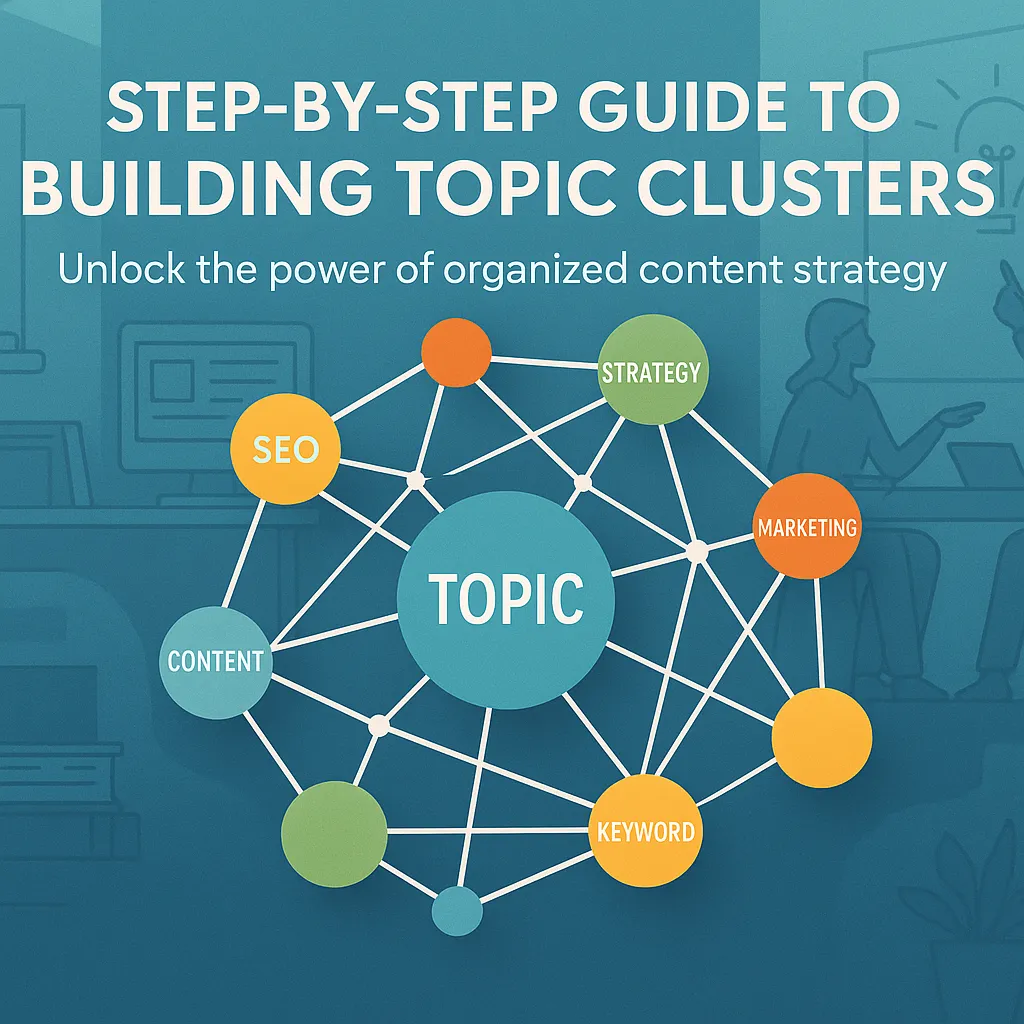
Building a robust content strategy is no small feat, especially in today's competitive digital landscape. If you're looking to enhance your SEO efforts and improve user experience on your site, understanding how to create effective topic clusters is essential. This guide will walk you through the process of developing topic clusters that not only boost your visibility but also keep your audience engaged.
Introduction to Topic Clusters
Topic clusters are a strategic way of organizing related content around a central theme or pillar topic. At their core, they consist of one comprehensive piece of content—known as pillar content—and several related articles that link back to it. This structure enhances both your site's SEO and user experience by making it easier for visitors to find relevant information.
The importance of topic clusters lies in their ability to create a clear hierarchy within your website's content. By establishing a well-defined structure, you can help search engines understand the relationships between different pieces of content. This leads to better indexing and improved rankings for targeted keywords. Additionally, when users navigate through these clusters, they benefit from a more intuitive browsing experience that keeps them on your site longer.
The Role of Pillar Content and Supporting Articles
Pillar content serves as the cornerstone of each topic cluster. It provides an in-depth exploration of a specific subject and typically covers all aspects related to that topic. Supporting articles, on the other hand, delve into subtopics or narrower aspects of the main theme. These articles link back to the pillar content, reinforcing its authority and relevance while also offering users additional resources.
By interlinking these articles effectively, you create pathways for users to discover more about topics that interest them. This not only increases page views but also encourages deeper engagement with your brand.
Understanding Your Core Topics
Before diving into building topic clusters, you first need to identify what core topics are relevant to your business. This involves a bit of research into both your offerings and what potential customers are searching for online.
Start by brainstorming key themes that relate directly to what you do. Think about the problems you solve or the questions customers frequently ask. Once you've identified these main topics, it's time to dig deeper.
Researching Audience Interests and Search Intent
Understanding your audience is crucial when building effective topic clusters. You want to ensure that the topics you choose align with their interests and needs. One way to gauge this is by conducting surveys or interviews with current customers.
Additionally, tools like Google Trends can be invaluable for discovering what people are searching for in relation to your core topics. Keyword planners can help uncover search volumes and competition levels associated with various phrases related to those themes.
Analyzing Competitor Content
Look at how competitors have structured their own topic clusters. Identify successful examples within your niche—what are they doing right? Take notes on their pillar topics and supporting articles while evaluating any gaps in their content strategy where you could offer something unique.
This analysis will not only provide inspiration but also highlight opportunities for differentiation within your own approach.
Creating Pillar Content
Once you've identified core topics and researched audience interests, it's time to create pillar content that stands out as an authoritative resource on those subjects.
Pillar content should be comprehensive yet easy-to-read; aim for at least 1,500 words on each piece so it can cover all necessary angles without overwhelming readers with too much detail at once.
Structuring Pillar Content for Maximum SEO Impact
When structuring pillar articles, use headings strategically (H1s, H2s) so readers can easily scan for information while improving SEO performance overall. Incorporate relevant keywords naturally throughout the text without resorting to keyword stuffing—a practice that can hurt readability and rankings alike.
Key Elements:
- A strong introduction that outlines what readers can expect.
- Clear sections divided by headings.
- Engaging visuals such as images or infographics.
- Internal links directing readers toward supporting articles within the cluster.
Best Practices for Pillar Content
To ensure maximum effectiveness from your pillar articles:
- Focus on length—articles should be substantial enough (ideally 2,000+ words) but remain engaging.
- Include multimedia elements like videos or infographics; these enhance user engagement significantly.
- Regularly update this content based on new information or changes in industry standards—keeping it fresh maintains relevance over time.
Developing Supporting Articles
Supporting articles are essential companions to pillar content—they provide depth while keeping users engaged by exploring specific facets of broader subjects covered in pillars.
When developing these pieces:
- Make sure they remain relevant; every supporting article should link back directly into its respective pillar post.
- Diversify formats beyond just blog posts; consider creating videos or infographics if they suit the subject matter well.
Ensuring Relevance and Interlinking with Pillar Content
As you craft supporting articles around each identified subtopic:
- Always include links back to the main pillar article within each piece—this reinforces connections between them.
- Use clear anchor text rather than generic “click here” phrases; descriptive anchors help search engines understand context better too!
Linking Strategies for Topic Clusters
Creating an effective internal linking structure is crucial once you've established both pillars and supporting articles across various topics in order maintain logical navigation paths throughout—all while boosting SEO value!
Using Anchor Text Effectively for SEO Benefits
One key aspect relates specifically how anchor text appears throughout links:
- Aim for descriptive phrases instead relying solely upon “read more.”
- Ensure proper keyword usage without sacrificing clarity—this tactic helps signal relevance both users’ experiences as well search engines’ assessments alike!
"Effective linking strategies connect dots between related pieces while guiding readers through valuable journeys."
Monitoring & Updating Links
Regularly revisit older posts within clustered groups:
- Ensure all links still function properly since broken links may frustrate visitors leading them away from desired destinations!
- Update outdated references where necessary—this shows audiences you're committed providing timely accurate info!
Tools for Managing Links
To effectively track performance across all linked components:
- Utilize popular SEO tools such as SEMrush or Ahrefs which assist tracking link effectiveness alongside analyzing traffic patterns coming from various clusters.
- Leverage analytics platforms like Google Analytics measure engagement metrics closely tied specific pillars/subtopics ensuring focus remains aligned towards high-impact areas yielding best results over time!
Measuring Success and Adjusting Strategies
Once you've implemented topic clusters successfully: measuring success becomes paramount! Consider focusing attention key metrics indicating overall effectiveness surrounding engagement levels ultimately driving traffic growth surrounding selected themes/topics chosen initially!
Key Metrics To Track For Performance
Some top metrics worth monitoring include:
| Metric | Purpose |
|---|---|
| Organic Traffic | Measures overall reach via search engines |
| Bounce Rate | Indicates whether visitors find value quickly |
| Average Session Duration | Shows how long users engage before leaving |
Analyzing user behavior through these lenses will allow adjustments aimed refining existing strategies continuously optimizing future efforts!
"Being adaptable is vital; don't hesitate re-evaluate approaches based feedback data!"
Ultimately success hinges upon understanding audience needs aligning those insights against carefully crafted structures designed drive organic visibility generating long-lasting relationships built trust among target markets!

Orçun Danışmaz Founder of RankAhead
Founder of Rank Ahead. Building SaaS applications and likes travelling and photography.