
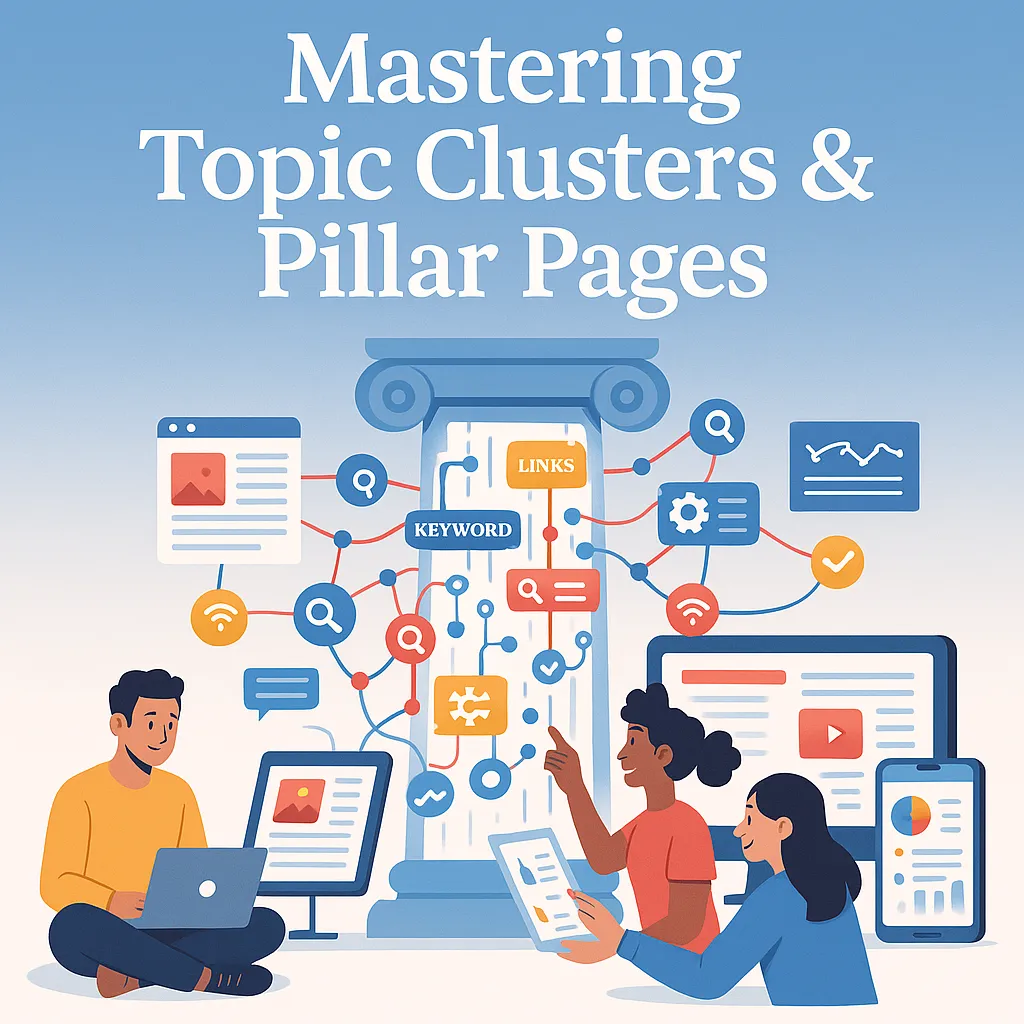
In the ever-evolving world of digital marketing, understanding how to structure your content effectively is key to standing out and being found by your target audience. One of the most innovative strategies that has emerged is the concept of topic clusters and pillar pages. These methods not only streamline content organization but also bolster your SEO efforts significantly. Let’s dive into what topic clusters and pillar pages are, why they matter, and how you can implement them for maximum impact.
Introduction to Topic Clusters and Pillar Pages
Topic clusters and pillar pages are part of a strategic content organization model that helps businesses create a more cohesive and navigable website. A topic cluster consists of a central piece of content, known as a pillar page, which acts as a comprehensive resource on a specific subject. This pillar page is then supported by various related articles or blog posts that delve into specific aspects of that topic.
In modern content marketing, the importance of these structures cannot be overstated. They not only make it easier for users to find the information they need but also enhance your site's search engine optimization (SEO). By organizing content in this way, you signal to search engines that you are an authority on the subject, which can lead to better rankings and increased visibility.
Understanding Topic Clusters
At its core, a topic cluster is a method of organizing your content around a central theme. This approach allows for a more structured and hierarchical way of presenting information. Instead of having isolated pieces of content that don't connect with each other, topic clusters create a network of related content that enhances user experience and SEO.
When you group content into clusters, you create a pathway for users to explore related topics seamlessly. This not only keeps users on your site longer but also establishes your expertise in a particular area. Search engines favor this coherent structure, as it helps them understand the context of your content better.
Components of Topic Clusters
The main components of topic clusters include the core topic or pillar content and the supporting content pieces. The pillar page serves as the central hub for a specific topic, offering a comprehensive overview while linking out to various supporting articles that dive deeper into subtopics.
An effective internal linking strategy is critical for this model. By linking your pillar page to the related content and vice versa, you create a network that encourages users to explore more of your site. This approach not only provides additional value to your readers but also boosts your SEO by enhancing the relevancy of your content in the eyes of search engines.
The Role of Pillar Pages
Pillar pages play a crucial role in the topic cluster model. They are designed to be long-form, informative pieces that cover a topic in-depth. The primary purpose of a pillar page is to serve as a comprehensive resource that users can refer to, answering their questions and guiding them to related content.
As a content hub, the pillar page should link out to various supporting articles and resources. This interconnectedness not only aids navigation but also helps search engines understand the relationships between different pieces of content on your site. For instance, if your pillar page is about "Content Marketing Strategies," it could link to articles on specific tactics like email marketing, social media marketing, and SEO best practices.
Creating an Effective Pillar Page
To create an effective pillar page, start by identifying your core topics. Consider what subjects are most relevant to your audience and align with your business goals. Once you have your core topic, structure your content to encourage user engagement. Use headings, bullet points, and visuals to make the content digestible.
Optimization for SEO is equally important. Ensure that your pillar page includes relevant keywords, meta descriptions, and alt tags for images. These practices enhance the visibility of your page, making it more likely to rank well in search results.
Benefits of Implementing Topic Clusters and Pillar Pages
Implementing topic clusters and pillar pages offers a plethora of benefits that can significantly impact your digital marketing efforts. One of the most notable advantages is improved search engine rankings. By creating a well-structured content hub, you increase your chances of ranking higher for relevant keywords, as search engines can easily understand and index your content.
Moreover, this approach enhances user experience. When users can easily navigate through related content, they are more likely to stay on your site longer, reducing bounce rates and increasing engagement. Additionally, a well-organized site enhances your authority and relevance in your niche, making it easier to attract both organic traffic and potential customers.
Case Studies and Success Stories
Several brands have successfully implemented topic clusters and pillar pages with remarkable results. For example, HubSpot is a leading example of a company that has mastered this strategy. Their comprehensive pillar pages on topics like inbound marketing not only drive substantial traffic but also engage users effectively, resulting in improved conversion rates.
Similarly, companies like Moz and Neil Patel have utilized this approach to establish themselves as authorities in the SEO space. By analyzing traffic and engagement metrics, we see that these brands have seen significant increases in both organic traffic and user engagement, validating the effectiveness of topic clusters.
How to Get Started with Topic Clusters
Getting started with topic clusters involves a systematic approach. Begin by brainstorming a list of core topics that align with your business objectives and resonate with your target audience. Once you have identified these topics, create a content plan that outlines the pillar pages and supporting articles you will develop.
Next, leverage tools and resources for content creation. There are numerous platforms, like SEMrush and Ahrefs, that can assist with keyword research and content planning. Best practices for maintaining and updating your clusters include regularly reviewing and refreshing content to ensure it remains relevant and accurate.
Common Mistakes to Avoid
While implementing topic clusters can be highly beneficial, there are common pitfalls to watch out for. One mistake is neglecting internal linking, which is essential for the success of your topic clusters. Without proper linking, users may struggle to navigate your site, and search engines may not fully understand the structure of your content.
Another common error is overlooking keyword research. It’s crucial to understand which keywords are relevant to your audience and integrate them naturally into your content. Lastly, failing to update content regularly can lead to outdated information, which could harm user trust and search engine rankings.
Measuring the Success of Your Topic Clusters
To measure the success of your topic clusters, it’s important to track key performance indicators (KPIs). Metrics such as organic traffic, bounce rates, and average time on page can provide valuable insights into how well your content is performing.
Using analytics tools like Google Analytics can help you monitor these metrics effectively. Pay attention to which pillar pages and supporting content are driving the most traffic and engagement. Based on these data insights, you can adjust your strategy to improve underperforming areas or capitalize on successful content.
By understanding how to implement and measure topic clusters and pillar pages, you can create a more effective content strategy that not only elevates your SEO efforts but also enhances the overall user experience on your website. As digital marketing continues to evolve, staying informed and adaptable is key to maintaining a competitive edge.

Orçun Danışmaz Founder of RankAhead
Founder of Rank Ahead. Building SaaS applications and likes travelling and photography.